Make room for things made slowly.
Fall For Flora is a considered guide to handmade home decor, macramé, hanging chairs, bed swings, planters and the small styling decisions that make a room feel like your own.
We look for useful ideas, honest materials and relaxed ways to bring texture into everyday spaces.
Explore the journal
Read practical guides to choosing fibres, hanging a chair safely, caring for plants and building a warm, layered room.
-
Hanging textile work on a wall that is not sound
Make room for things made slowly, and then hang them somewhere that will not undo the work. A large macramé piece, a woven panel or a cotton wall hanging asks two things of a wall: that it can hold the weight, and that it is dry. The weight question gets all the attention. The dry one does the damage.
Why fibre is unforgiving about walls
Cotton and jute are hygroscopic: they take up moisture from the air and hold it, which is part of why they feel warm in a room and drape as they do.
Hung flat on a wall damper than the rest of the room, a piece becomes a wick. The cord against the plaster stays slightly wet, the room side keeps the front dry, and moisture concentrates along the back where nothing dries and nothing is seen. Natural fibre with a steady moisture supply and no air movement is ideal for mildew, and mildewed cotton cord is stained permanently. No wash recovers it, because the mark is growth inside the fibre rather than dirt on it.
Check the wall first, properly
Press the back of your hand flat against the plaster, low down and high up. A patch markedly cooler than the surrounding wall is holding moisture.
Look along the skirting for flaking paint, a powdery bloom on the plaster, or paper lifting at a seam. Sniff close to the wall in a room that has been shut all day.
If any of that is present, sort the wall before anything is hung. Where plaster is blown, or growth returns after cleaning, mould treatment specialists in Pittsburgh or a comparable firm nearer you will find the moisture source and treat the wall itself. Hanging a handmade piece over it hides the evidence and sacrifices the piece.
Hanging it so air can move
Even on a sound wall, give the back of a piece room to breathe.
Mount the dowel or branch on brackets that stand it fifteen or twenty millimetres off the plaster rather than flush. The gap is invisible from the front and it is the difference between a piece that stays sweet and one that smells of the wall by the second winter.
Keep hangings off external walls in older houses where you can, and away from the wall behind a radiator, where the warm, dusty updraught greys the bottom of a pale cord within a year.
Looking after it once it is up
Take it down twice a year, shake it outdoors and leave it over the back of a chair for a day. That is the whole maintenance routine.
While it is down, put your hand on the wall behind it. A wall that feels colder or smells different from the rest of the room has changed since you hung the piece, and it is far better to learn that with the hanging in your hands than from a mark across the back of it.
-
Repairing and Refreshing an Older Macramé Piece
Older macramé can often be refreshed rather than replaced. Begin by checking the mounting, knots and areas that receive the most friction.
Start with the material
Dust with a soft brush and avoid soaking unknown fibres. Loose ends can sometimes be secured with a small amount of matching cord, while a weakened hanging point should be rebuilt before the piece goes back on the wall.
A useful way to live with it
Document the original pattern before untying anything. A few photographs and notes about cord direction can turn a repair into a careful continuation of the maker’s work.
Small checks make a difference
Take measurements, leave room for maintenance and choose pieces that can be repaired. Handmade decor rewards attention because its texture and character become more interesting with care.
-
How to Build a Layered Mantel Without Clutter
A mantel has a natural horizontal line, so the display needs height, rhythm and a deliberate pause. Start with one anchor object and build outward rather than filling every inch.
Start with the material
Lean artwork behind smaller objects, repeat one material near each end and vary heights in gentle steps. A trailing plant can soften the edge, but leave space for watering and seasonal changes.
A useful way to live with it
Take a photograph from the doorway. If one object dominates or the centre feels crowded, remove something before buying another piece. Restraint is what makes the remaining objects readable.
Small checks make a difference
Take measurements, leave room for maintenance and choose pieces that can be repaired. Handmade decor rewards attention because its texture and character become more interesting with care.
-
The Best Finishes for Handmade Wooden Decor
Handmade timber looks better when the finish suits the object. Oil keeps a tactile feel, wax adds a soft sheen and a hard-wearing coating offers more protection where hands and spills are common.
Start with the material
Ask how the wood was prepared and whether the finish can be refreshed. A piece that can be lightly cleaned and re-oiled may age more gracefully than one that becomes difficult to repair.
A useful way to live with it
Keep direct heat and standing water away from timber. Use coasters, lift objects rather than dragging them and accept small marks as part of a material that is meant to live with you.
Small checks make a difference
Take measurements, leave room for maintenance and choose pieces that can be repaired. Handmade decor rewards attention because its texture and character become more interesting with care.
-
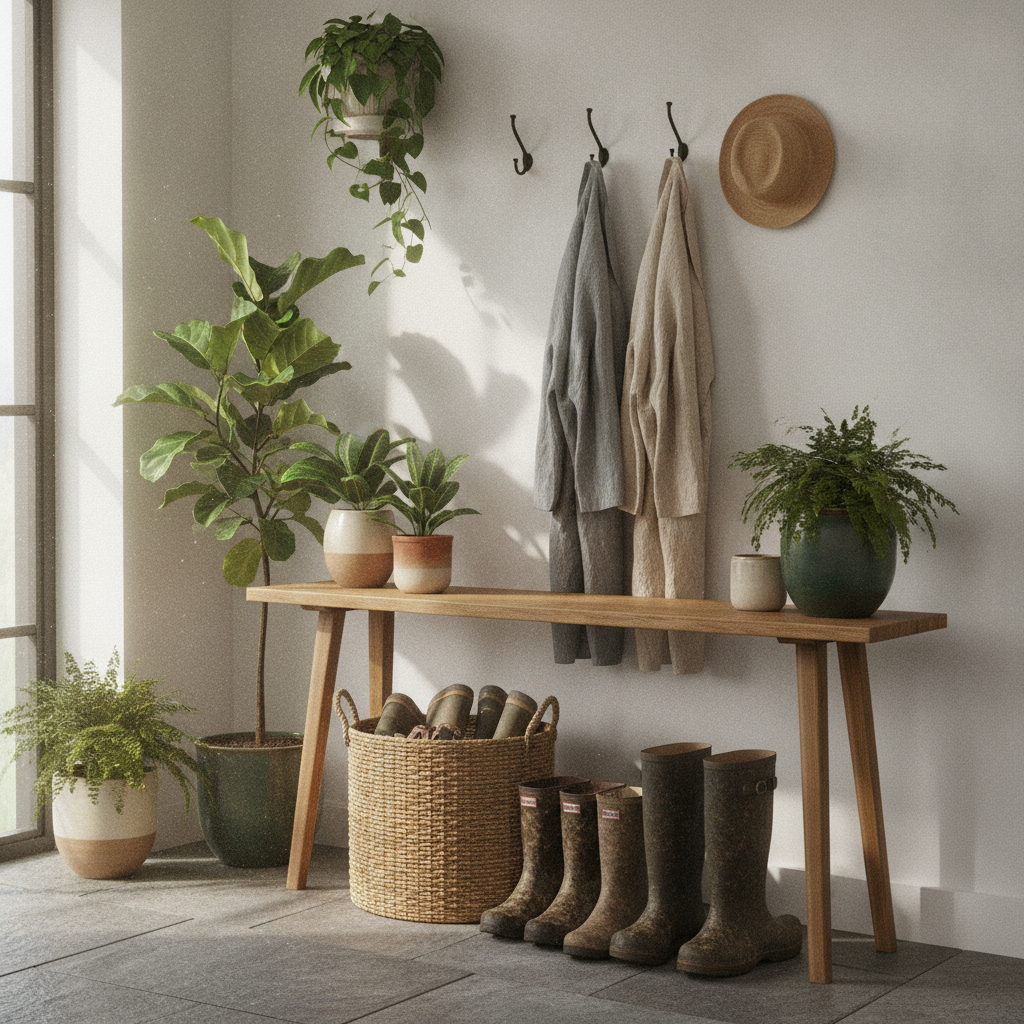
Making a Plant-Filled Entryway Work Harder
An entryway can be welcoming without becoming a storage pile. A narrow shelf, a durable mat and one or two well-placed plants create a useful first impression.
Start with the material
Choose plants that tolerate the actual light and avoid placing wet pots where bags and shoes collect. A raised planter protects the surface and gives leaves a little more presence.
A useful way to live with it
Use baskets for small items, hooks for everyday coats and a clear path through the door. Texture should support the routine rather than create obstacles.
Small checks make a difference
Take measurements, leave room for maintenance and choose pieces that can be repaired. Handmade decor rewards attention because its texture and character become more interesting with care.
-

How to Hang a Bed Swing in a Covered Outdoor Space
A covered outdoor bed swing needs a plan for weather, movement and structure. Even a sheltered ceiling can receive wind-driven rain and seasonal humidity.
Start with the material
Confirm the support is rated for dynamic movement, not only static weight. Use outdoor-suitable hardware where appropriate and keep cushions removable so they can dry completely.
A useful way to live with it
Look at the swing from every approach to the space. Leave room for the arc of movement, protect nearby walls and choose fabrics that can be cleaned without specialised equipment.
Small checks make a difference
Take measurements, leave room for maintenance and choose pieces that can be repaired. Handmade decor rewards attention because its texture and character become more interesting with care.
-
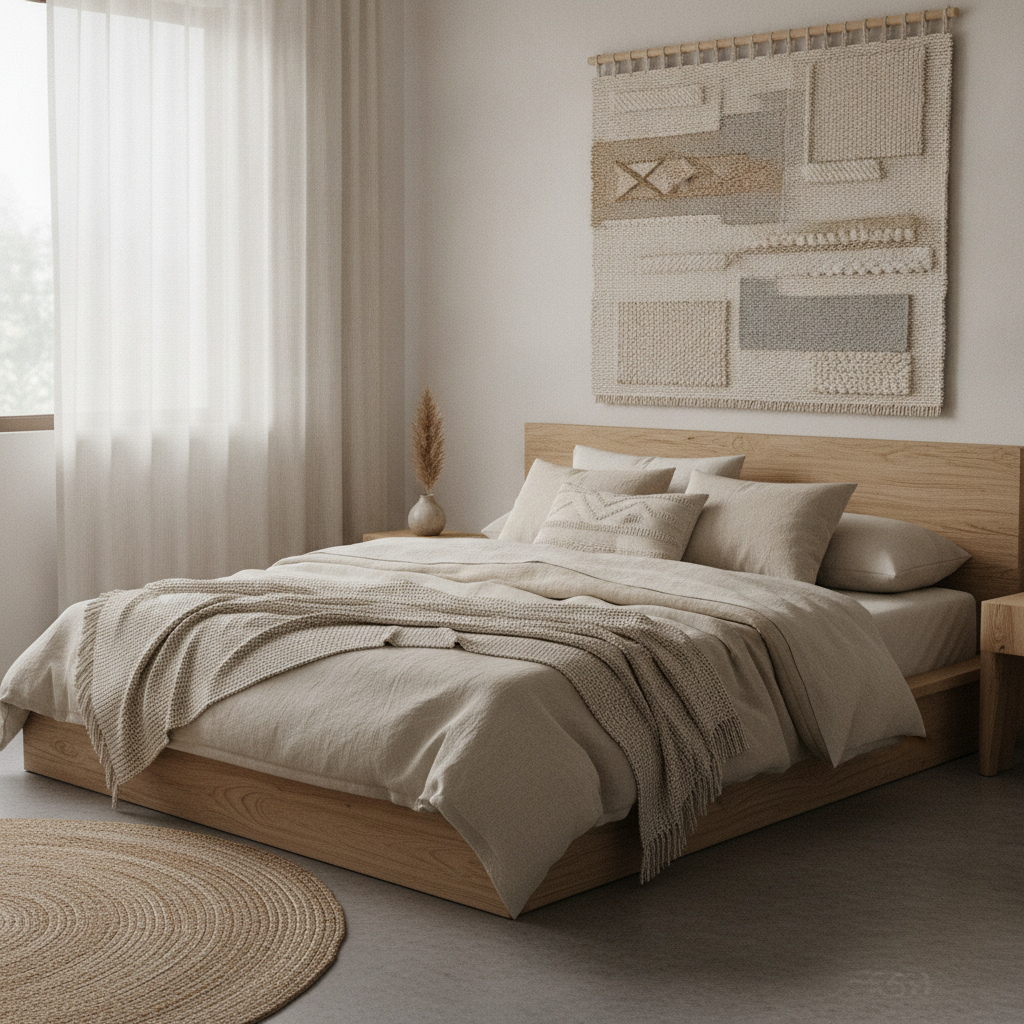
A Calm Bedroom Palette Built Around Timber and Cotton
A restful bedroom often begins with materials that feel good at close range. Timber, cotton, linen and wool create gentle differences without demanding attention.
Start with the material
Choose one timber tone for the largest pieces, then let smaller objects repeat its warmth. Cotton bedding can carry the lightest colour while a woven bench or pendant introduces a deeper note near the floor.
A useful way to live with it
Keep patterns small and let texture do most of the work. A plain wall, soft curtain and one handmade object can feel richer than a collection of competing prints.
Small checks make a difference
Take measurements, leave room for maintenance and choose pieces that can be repaired. Handmade decor rewards attention because its texture and character become more interesting with care.
-
How to Mix Woven Textures Without Making a Room Busy
Woven texture works best when each piece has a job. A basket can hide cables, a wall hanging can soften a blank wall and a chair can add a different kind of comfort.
Start with the material
Vary the scale rather than collecting every texture at once. Pair a broad, quiet weave with one smaller pattern and leave plain surfaces between them so the eye has somewhere to rest.
A useful way to live with it
Natural colour does not mean identical colour. Cream, oat, warm grey and honey tones can sit together when their finishes are varied and the room receives balanced light.
Small checks make a difference
Take measurements, leave room for maintenance and choose pieces that can be repaired. Handmade decor rewards attention because its texture and character become more interesting with care.
-
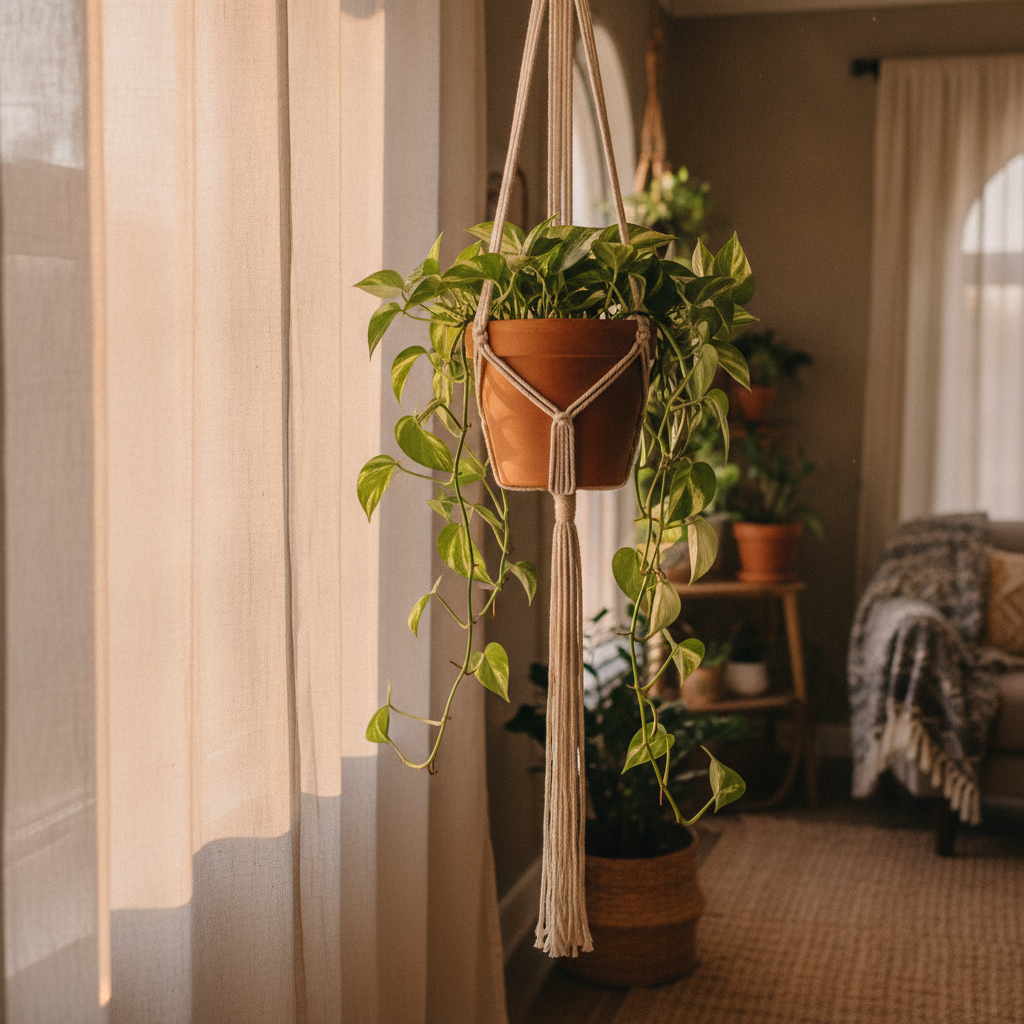
Macramé Plant Hangers for Every Window
Plant hangers make use of vertical space and bring foliage into the middle of a room. Their best position is one where the light suits the plant and the hanger can be watered without drama.
Start with the material
Choose a hanger length that leaves the pot at eye level or lower, away from doors and curtain movement. Test the knot structure with an empty pot before adding wet soil, which can be much heavier.
A useful way to live with it
Group two hangers at different heights but keep enough distance for leaves to grow. Similar cord colours create a visual link while different pots keep the display from feeling manufactured.
Small checks make a difference
Take measurements, leave room for maintenance and choose pieces that can be repaired. Handmade decor rewards attention because its texture and character become more interesting with care.
-
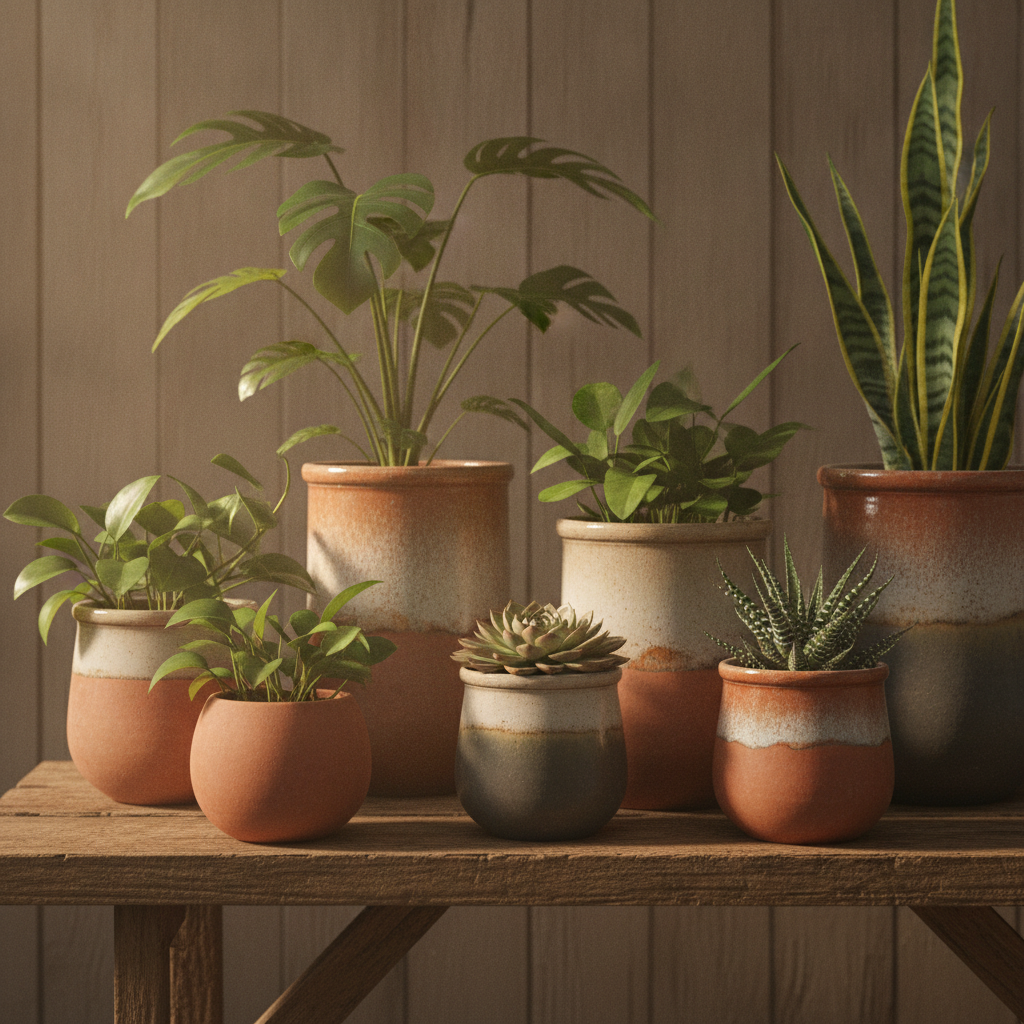
Choosing Planters That Help Houseplants Thrive
A beautiful planter is only useful when the plant has the drainage, light and root space it needs. Start with the pot inside the decorative cover, then choose the cover for proportion and material.
Start with the material
Terracotta dries quickly and suits plants that dislike wet roots. Glazed ceramic holds moisture for longer, while woven covers add softness but should not trap water against a pot or floor.
A useful way to live with it
Measure the saucer, check the weight on shelves and leave room to remove the inner pot for watering. Practical details keep a plant display healthy and protect the furniture beneath it.
Small checks make a difference
Take measurements, leave room for maintenance and choose pieces that can be repaired. Handmade decor rewards attention because its texture and character become more interesting with care.
-
Five Ways to Make a Small Room Feel More Grounded
Small rooms benefit from fewer, better decisions. Repeating a warm material, lowering visual contrast and leaving a little breathing space can make a compact room feel settled.
Start with the material
Use a limited palette of two or three quiet tones, then add variation through texture. A woven basket, timber stool or linen curtain can provide interest without adding a new colour family.
A useful way to live with it
Keep the floor legible and choose one generous plant rather than many small pots. The eye reads clear shapes more easily, which makes the room feel calmer and more spacious.
Small checks make a difference
Take measurements, leave room for maintenance and choose pieces that can be repaired. Handmade decor rewards attention because its texture and character become more interesting with care.
-
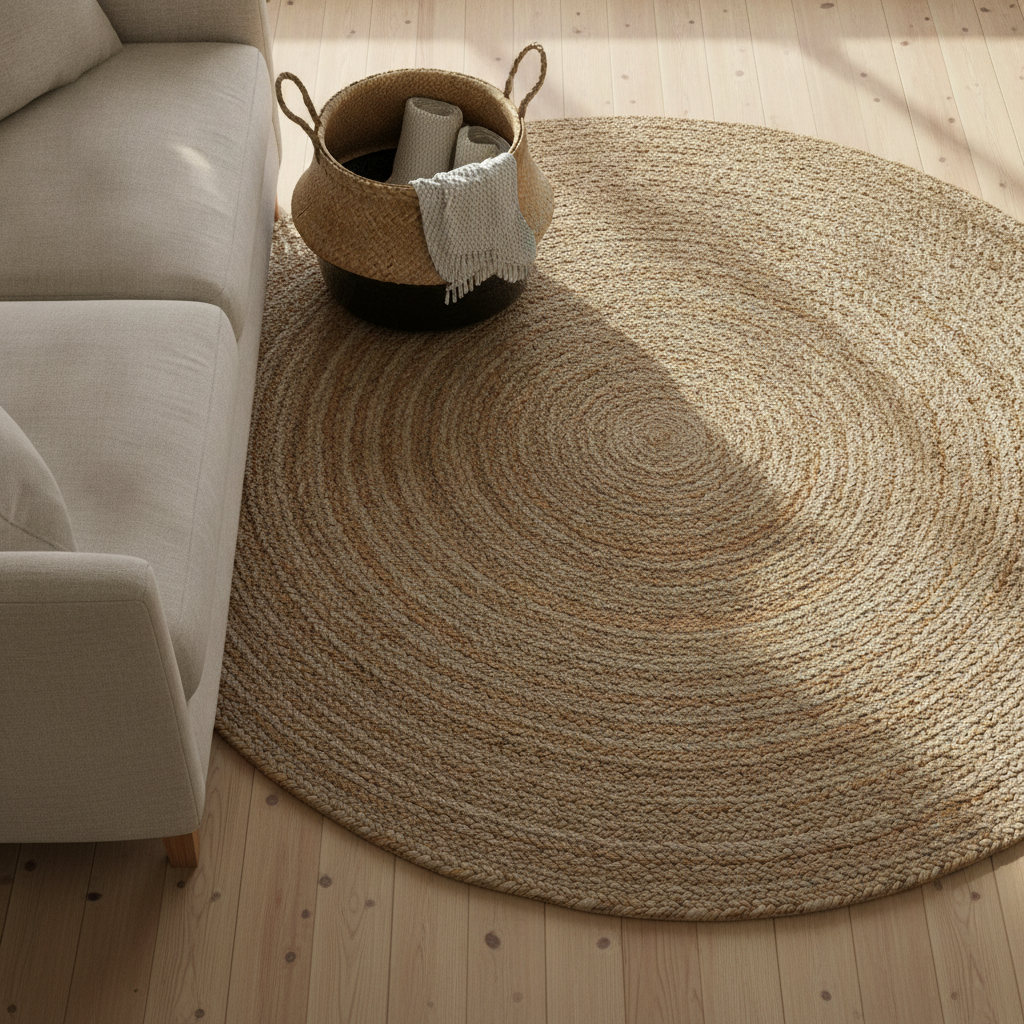
Natural Fibre Rugs: A Practical Care Guide
Jute, sisal, wool and cotton rugs each respond differently to moisture, sunlight and everyday traffic. Good care starts with knowing what the fibre can tolerate.
Start with the material
Vacuum gently in the direction of the weave and turn the rug occasionally to spread wear. Blot spills quickly rather than rubbing them deeper into the surface, and allow the underside to dry fully after cleaning.
A useful way to live with it
A rug pad helps prevent slipping and reduces the sharp pressure that furniture legs place on the weave. Leave space around the rug so its texture frames the room instead of swallowing it.
Small checks make a difference
Take measurements, leave room for maintenance and choose pieces that can be repaired. Handmade decor rewards attention because its texture and character become more interesting with care.
-

Hanging Chair Safety: What to Check Before Installation
A hanging chair is furniture and a fixings project at the same time. Before unpacking the chair, identify the structural support and understand the load rating of every component.
Start with the material
Ceiling finishes can hide very different structures. A qualified installer can locate joists, beams or suitable masonry and choose hardware for the actual substrate. Never rely on a decorative ceiling hook or a single screw in plasterboard.
A useful way to live with it
Inspect the rope, chain, spring, eye and connection points regularly. Stop using the chair if fibres are frayed, metal is bent or movement feels different from normal.
Small checks make a difference
Take measurements, leave room for maintenance and choose pieces that can be repaired. Handmade decor rewards attention because its texture and character become more interesting with care.
-
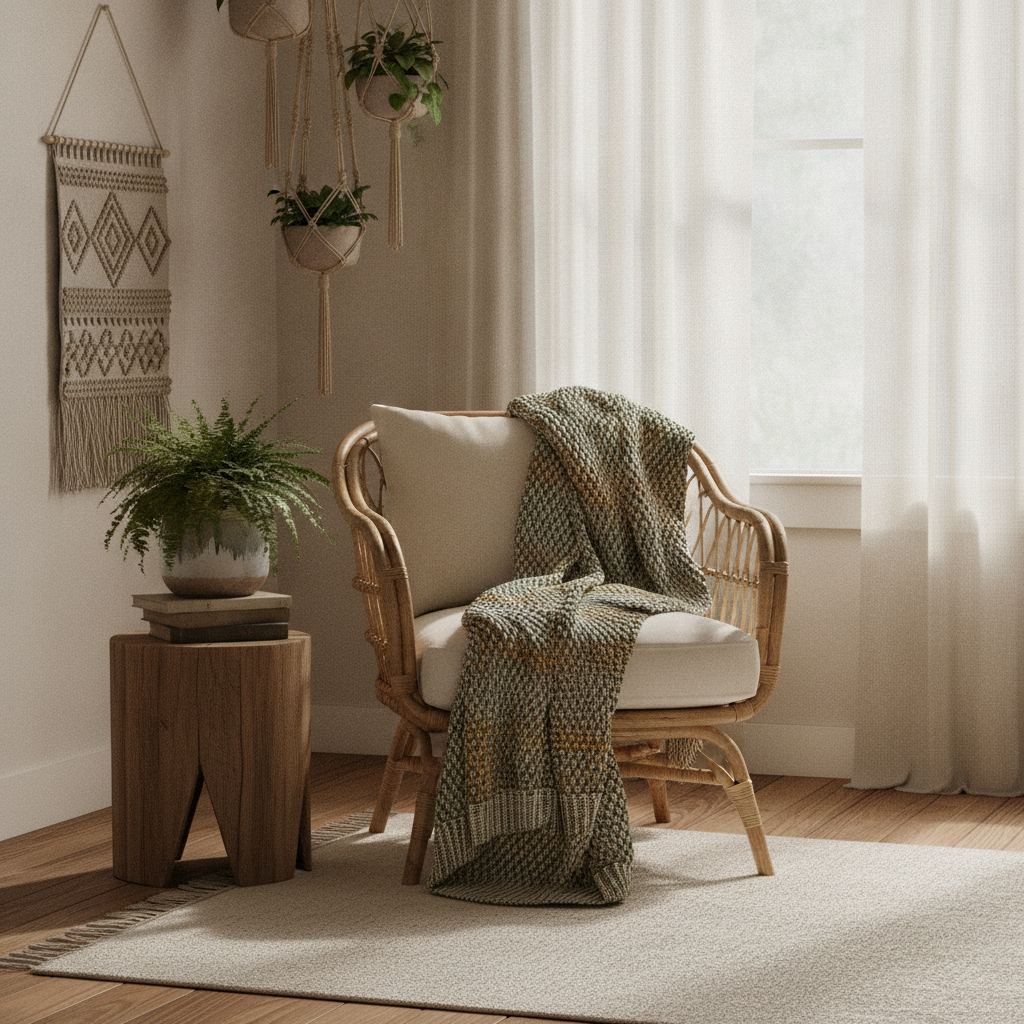
How to Style a Quiet Reading Corner
A reading corner does not need a large chair or a dramatic colour scheme. It needs a comfortable seat, a useful light source and enough room to put down a book.
Start with the material
Begin with the movement through the room. Keep the chair outside the main walkway, add a small surface for tea and choose a lamp that lights the page without shining into your eyes. Natural fibres soften hard edges around a window.
A useful way to live with it
Layer one woven texture with one smooth surface so the corner feels considered rather than busy. A plant, a folded throw and one framed print are usually enough.
Small checks make a difference
Take measurements, leave room for maintenance and choose pieces that can be repaired. Handmade decor rewards attention because its texture and character become more interesting with care.
-
A Beginner’s Guide to Reading Macramé Patterns
Macramé instructions become much less mysterious when each knot is treated as a small repeatable movement. Start by identifying the working cords, filler cords and the direction of the pattern.
Start with the material
Photograph your first sample from above and mark the centre cords with a temporary clip. This makes it easier to see whether a row is drifting and helps you correct tension before the whole piece is finished.
A useful way to live with it
Do not rush the decorative section. Consistent tension matters more than speed, and a short practice panel is often the quickest way to understand a complicated chart.
Small checks make a difference
Take measurements, leave room for maintenance and choose pieces that can be repaired. Handmade decor rewards attention because its texture and character become more interesting with care.
-
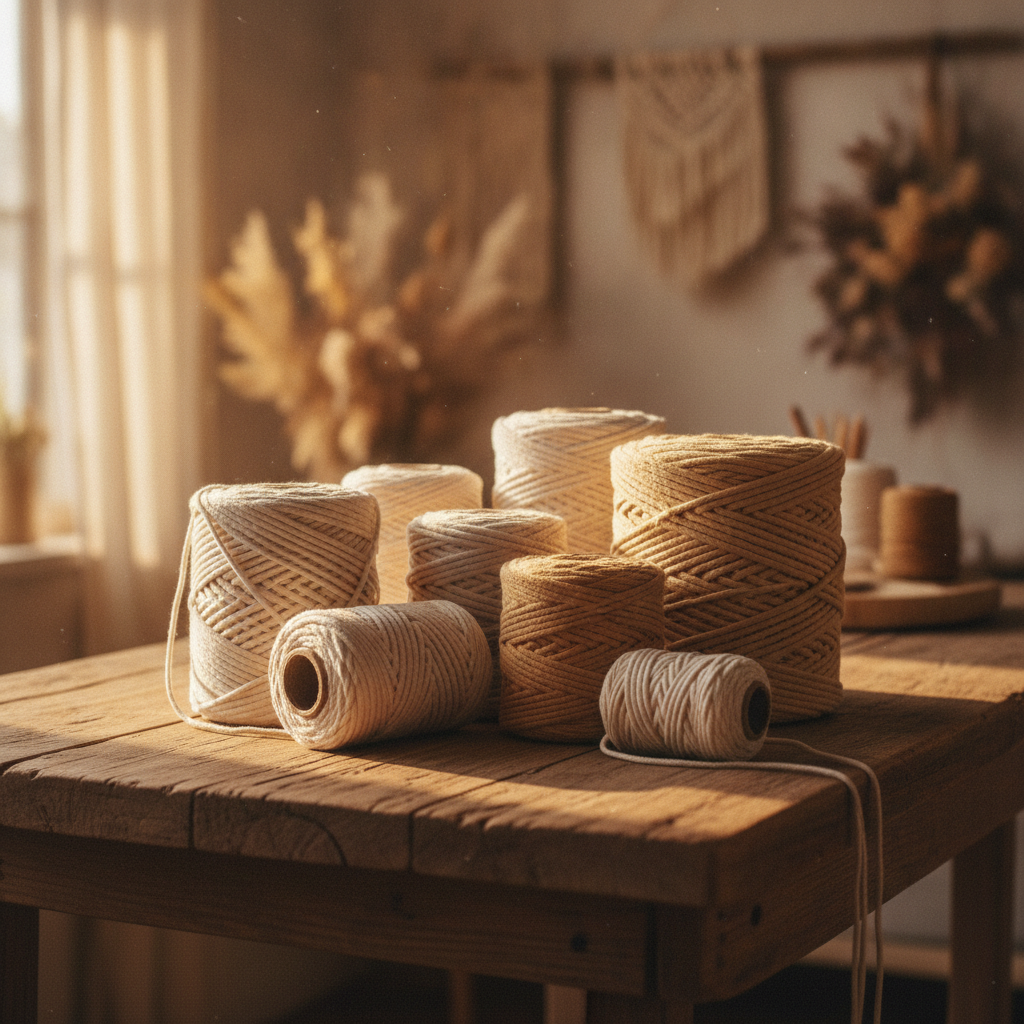
How to Choose Macramé Cord for a Durable Wall Hanging
Macramé cord changes the character of a piece before the first knot is tied. The right choice depends on the pattern, the scale and the way the finished work will be used.
Start with the material
Single-twist cotton is soft and easy to fringe, while braided cord holds its shape and gives a cleaner edge. Recycled cotton can have a pleasantly uneven surface, but inspect the fibres for weak spots before starting a large project.
A useful way to live with it
For a calm, tactile finish, match the cord size to the room rather than choosing the thickest option. A simple sample square will reveal how much the cord opens, knots and brushes out.
Small checks make a difference
Take measurements, leave room for maintenance and choose pieces that can be repaired. Handmade decor rewards attention because its texture and character become more interesting with care.