Blog

  • Repairing and Refreshing an Older Macramé Piece

    Older macramé can often be refreshed rather than replaced. Begin by checking the mounting, knots and areas that receive the most friction.

    Start with the material

    Dust with a soft brush and avoid soaking unknown fibres. Loose ends can sometimes be secured with a small amount of matching cord, while a weakened hanging point should be rebuilt before the piece goes back on the wall.

    A useful way to live with it

    Document the original pattern before untying anything. A few photographs and notes about cord direction can turn a repair into a careful continuation of the maker’s work.

    Small checks make a difference

    Take measurements, leave room for maintenance and choose pieces that can be repaired. Handmade decor rewards attention because its texture and character become more interesting with care.
  • How to Build a Layered Mantel Without Clutter

    A mantel has a natural horizontal line, so the display needs height, rhythm and a deliberate pause. Start with one anchor object and build outward rather than filling every inch.

    Start with the material

    Lean artwork behind smaller objects, repeat one material near each end and vary heights in gentle steps. A trailing plant can soften the edge, but leave space for watering and seasonal changes.

    A useful way to live with it

    Take a photograph from the doorway. If one object dominates or the centre feels crowded, remove something before buying another piece. Restraint is what makes the remaining objects readable.

    Small checks make a difference

    Take measurements, leave room for maintenance and choose pieces that can be repaired. Handmade decor rewards attention because its texture and character become more interesting with care.
  • The Best Finishes for Handmade Wooden Decor

    Handmade timber looks better when the finish suits the object. Oil keeps a tactile feel, wax adds a soft sheen and a hard-wearing coating offers more protection where hands and spills are common.

    Start with the material

    Ask how the wood was prepared and whether the finish can be refreshed. A piece that can be lightly cleaned and re-oiled may age more gracefully than one that becomes difficult to repair.

    A useful way to live with it

    Keep direct heat and standing water away from timber. Use coasters, lift objects rather than dragging them and accept small marks as part of a material that is meant to live with you.

    Small checks make a difference

    Take measurements, leave room for maintenance and choose pieces that can be repaired. Handmade decor rewards attention because its texture and character become more interesting with care.
  • Making a Plant-Filled Entryway Work Harder

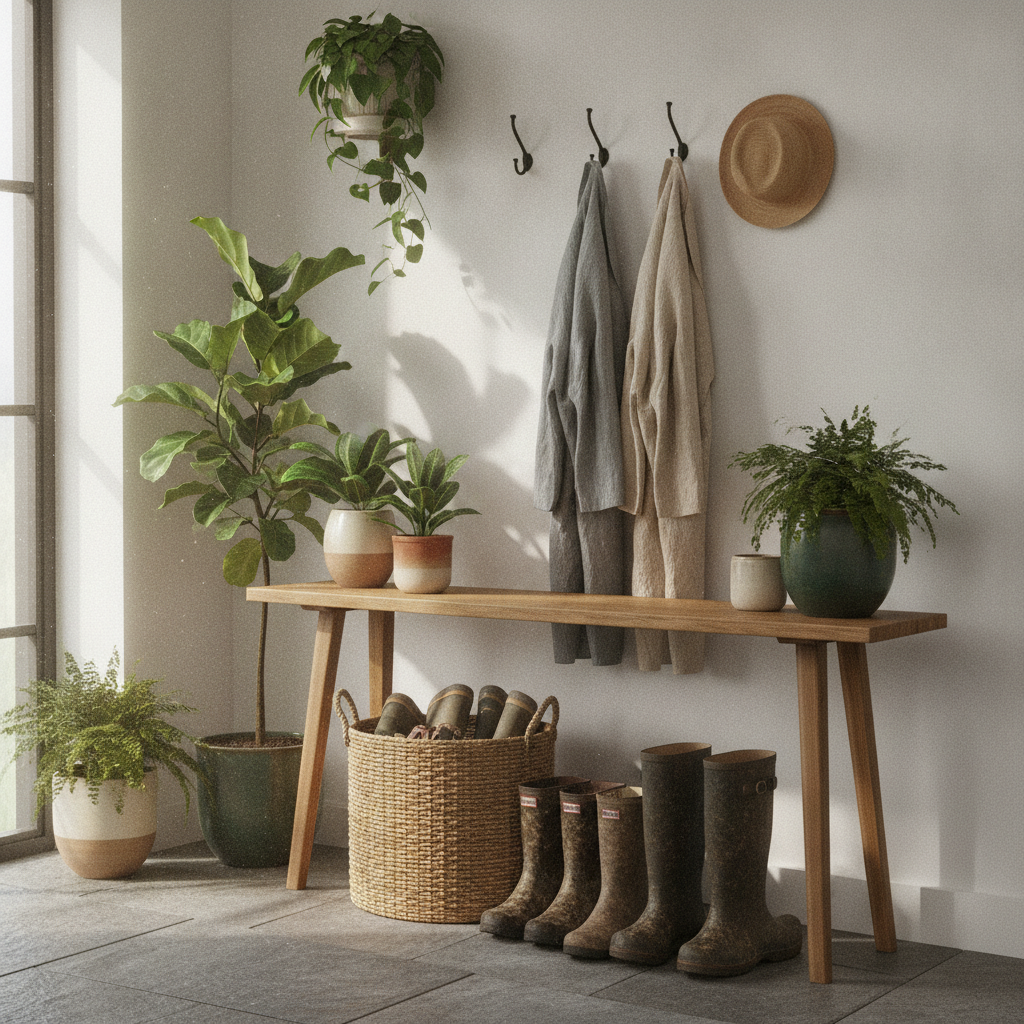
    An entryway can be welcoming without becoming a storage pile. A narrow shelf, a durable mat and one or two well-placed plants create a useful first impression.

    Start with the material

    Choose plants that tolerate the actual light and avoid placing wet pots where bags and shoes collect. A raised planter protects the surface and gives leaves a little more presence.

    A useful way to live with it

    Use baskets for small items, hooks for everyday coats and a clear path through the door. Texture should support the routine rather than create obstacles.

    Small checks make a difference

    Take measurements, leave room for maintenance and choose pieces that can be repaired. Handmade decor rewards attention because its texture and character become more interesting with care.
  • How to Hang a Bed Swing in a Covered Outdoor Space

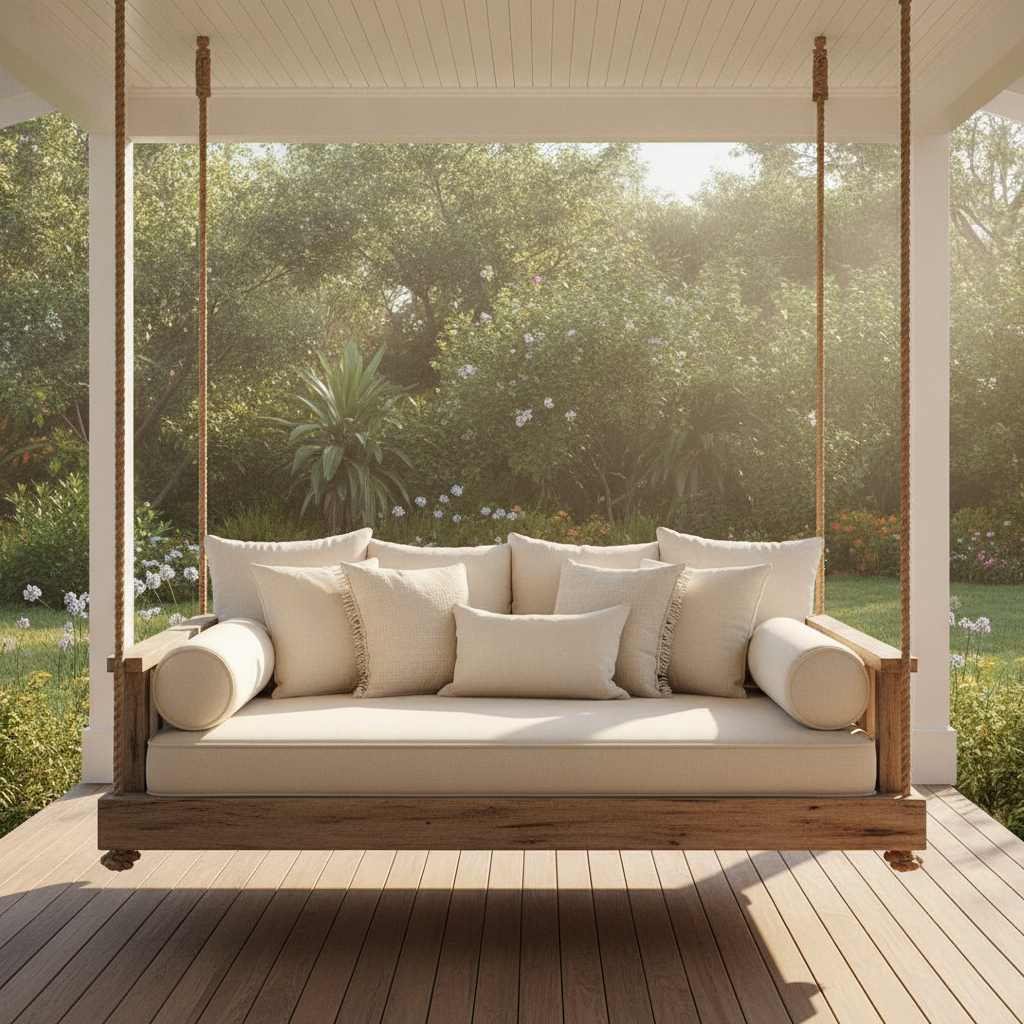
    A covered outdoor bed swing needs a plan for weather, movement and structure. Even a sheltered ceiling can receive wind-driven rain and seasonal humidity.

    Start with the material

    Confirm the support is rated for dynamic movement, not only static weight. Use outdoor-suitable hardware where appropriate and keep cushions removable so they can dry completely.

    A useful way to live with it

    Look at the swing from every approach to the space. Leave room for the arc of movement, protect nearby walls and choose fabrics that can be cleaned without specialised equipment.

    Small checks make a difference

    Take measurements, leave room for maintenance and choose pieces that can be repaired. Handmade decor rewards attention because its texture and character become more interesting with care.

  • A Calm Bedroom Palette Built Around Timber and Cotton

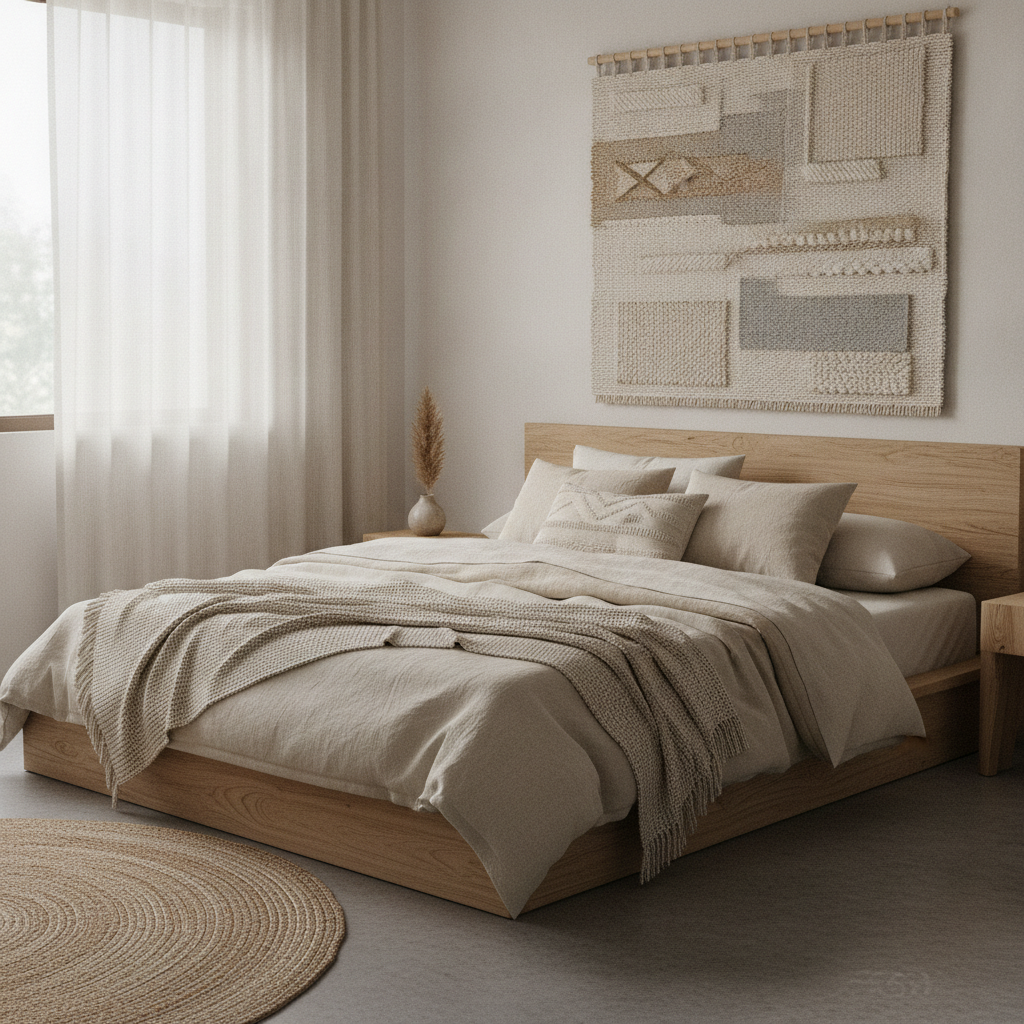
    A restful bedroom often begins with materials that feel good at close range. Timber, cotton, linen and wool create gentle differences without demanding attention.

    Start with the material

    Choose one timber tone for the largest pieces, then let smaller objects repeat its warmth. Cotton bedding can carry the lightest colour while a woven bench or pendant introduces a deeper note near the floor.

    A useful way to live with it

    Keep patterns small and let texture do most of the work. A plain wall, soft curtain and one handmade object can feel richer than a collection of competing prints.

    Small checks make a difference

    Take measurements, leave room for maintenance and choose pieces that can be repaired. Handmade decor rewards attention because its texture and character become more interesting with care.

  • How to Mix Woven Textures Without Making a Room Busy

    Woven texture works best when each piece has a job. A basket can hide cables, a wall hanging can soften a blank wall and a chair can add a different kind of comfort.

    Start with the material

    Vary the scale rather than collecting every texture at once. Pair a broad, quiet weave with one smaller pattern and leave plain surfaces between them so the eye has somewhere to rest.

    A useful way to live with it

    Natural colour does not mean identical colour. Cream, oat, warm grey and honey tones can sit together when their finishes are varied and the room receives balanced light.

    Small checks make a difference

    Take measurements, leave room for maintenance and choose pieces that can be repaired. Handmade decor rewards attention because its texture and character become more interesting with care.

  • Macramé Plant Hangers for Every Window

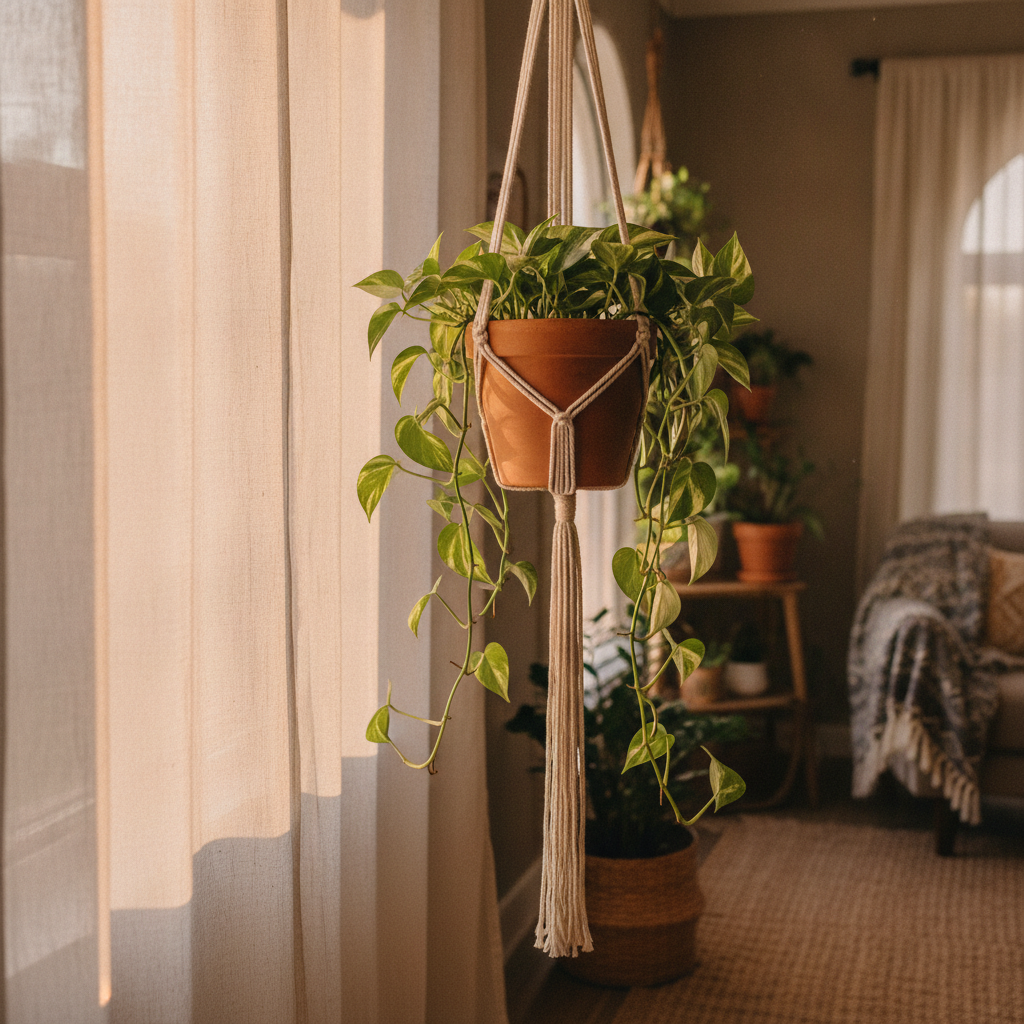
    Plant hangers make use of vertical space and bring foliage into the middle of a room. Their best position is one where the light suits the plant and the hanger can be watered without drama.

    Start with the material

    Choose a hanger length that leaves the pot at eye level or lower, away from doors and curtain movement. Test the knot structure with an empty pot before adding wet soil, which can be much heavier.

    A useful way to live with it

    Group two hangers at different heights but keep enough distance for leaves to grow. Similar cord colours create a visual link while different pots keep the display from feeling manufactured.

    Small checks make a difference

    Take measurements, leave room for maintenance and choose pieces that can be repaired. Handmade decor rewards attention because its texture and character become more interesting with care.

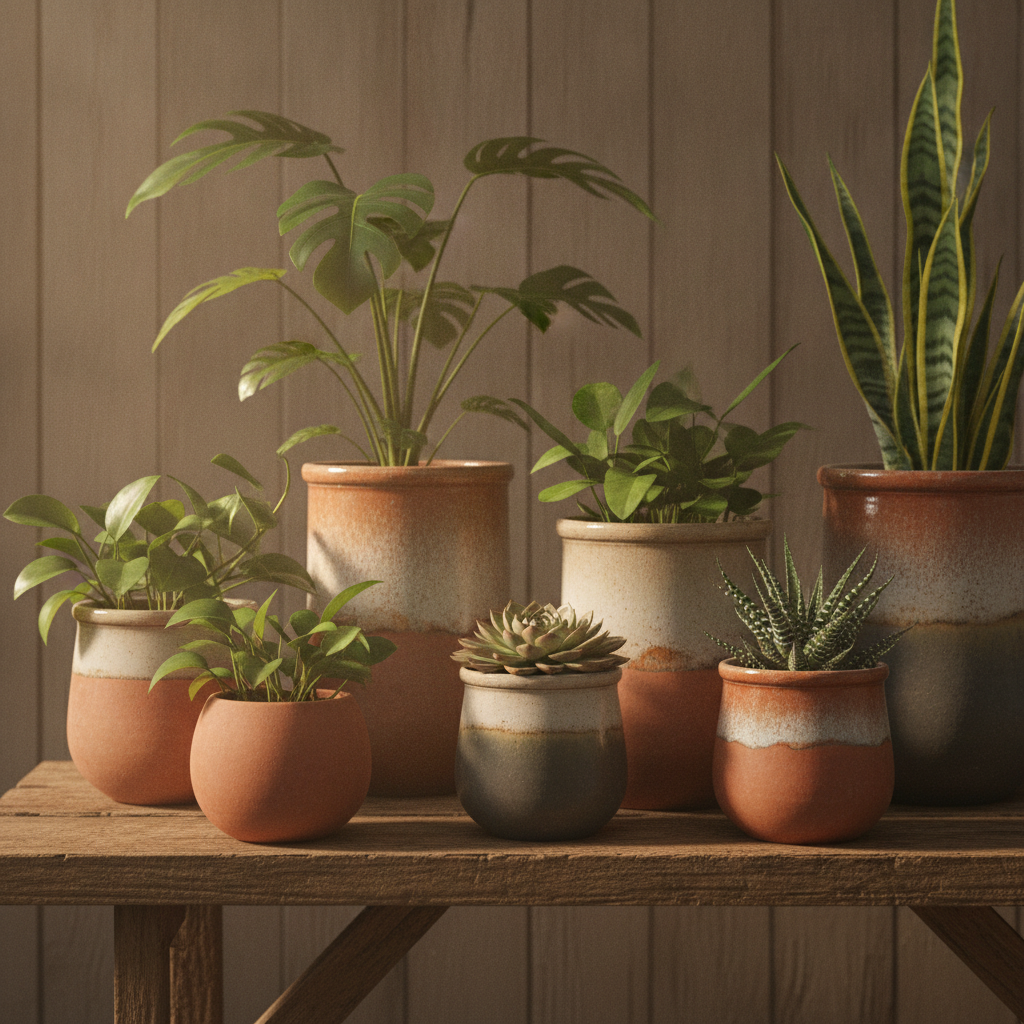
  • Choosing Planters That Help Houseplants Thrive

    A beautiful planter is only useful when the plant has the drainage, light and root space it needs. Start with the pot inside the decorative cover, then choose the cover for proportion and material.

    Start with the material

    Terracotta dries quickly and suits plants that dislike wet roots. Glazed ceramic holds moisture for longer, while woven covers add softness but should not trap water against a pot or floor.

    A useful way to live with it

    Measure the saucer, check the weight on shelves and leave room to remove the inner pot for watering. Practical details keep a plant display healthy and protect the furniture beneath it.

    Small checks make a difference

    Take measurements, leave room for maintenance and choose pieces that can be repaired. Handmade decor rewards attention because its texture and character become more interesting with care.

  • Five Ways to Make a Small Room Feel More Grounded

    Small rooms benefit from fewer, better decisions. Repeating a warm material, lowering visual contrast and leaving a little breathing space can make a compact room feel settled.

    Start with the material

    Use a limited palette of two or three quiet tones, then add variation through texture. A woven basket, timber stool or linen curtain can provide interest without adding a new colour family.

    A useful way to live with it

    Keep the floor legible and choose one generous plant rather than many small pots. The eye reads clear shapes more easily, which makes the room feel calmer and more spacious.

    Small checks make a difference

    Take measurements, leave room for maintenance and choose pieces that can be repaired. Handmade decor rewards attention because its texture and character become more interesting with care.