Category: Macramé Guides

  • Repairing and Refreshing an Older Macramé Piece

    Older macramé can often be refreshed rather than replaced. Begin by checking the mounting, knots and areas that receive the most friction.

    Start with the material

    Dust with a soft brush and avoid soaking unknown fibres. Loose ends can sometimes be secured with a small amount of matching cord, while a weakened hanging point should be rebuilt before the piece goes back on the wall.

    A useful way to live with it

    Document the original pattern before untying anything. A few photographs and notes about cord direction can turn a repair into a careful continuation of the maker’s work.

    Small checks make a difference

    Take measurements, leave room for maintenance and choose pieces that can be repaired. Handmade decor rewards attention because its texture and character become more interesting with care.
  • How to Choose Macramé Cord for a Durable Wall Hanging

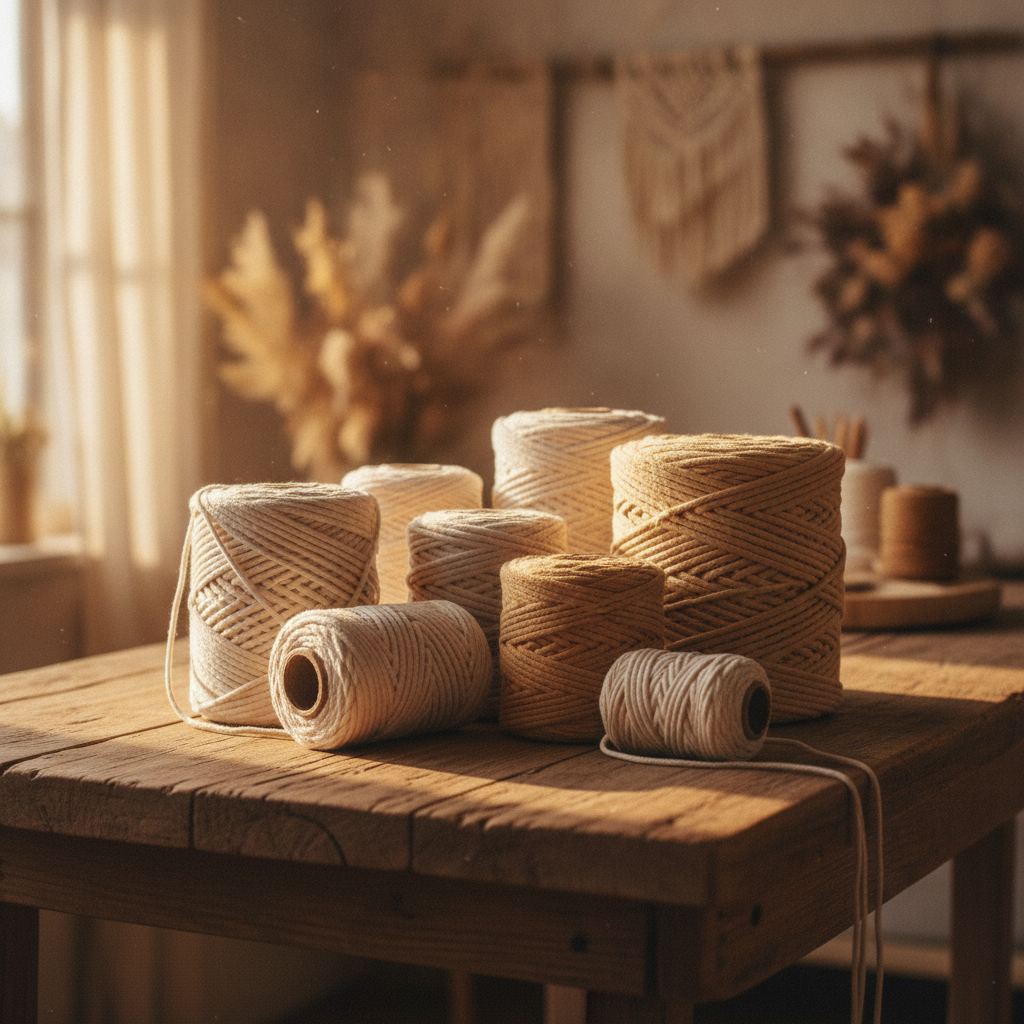
    Macramé cord changes the character of a piece before the first knot is tied. The right choice depends on the pattern, the scale and the way the finished work will be used.

    Start with the material

    Single-twist cotton is soft and easy to fringe, while braided cord holds its shape and gives a cleaner edge. Recycled cotton can have a pleasantly uneven surface, but inspect the fibres for weak spots before starting a large project.

    A useful way to live with it

    For a calm, tactile finish, match the cord size to the room rather than choosing the thickest option. A simple sample square will reveal how much the cord opens, knots and brushes out.

    Small checks make a difference

    Take measurements, leave room for maintenance and choose pieces that can be repaired. Handmade decor rewards attention because its texture and character become more interesting with care.

  • A Beginner’s Guide to Reading Macramé Patterns

    Macramé instructions become much less mysterious when each knot is treated as a small repeatable movement. Start by identifying the working cords, filler cords and the direction of the pattern.

    Start with the material

    Photograph your first sample from above and mark the centre cords with a temporary clip. This makes it easier to see whether a row is drifting and helps you correct tension before the whole piece is finished.

    A useful way to live with it

    Do not rush the decorative section. Consistent tension matters more than speed, and a short practice panel is often the quickest way to understand a complicated chart.

    Small checks make a difference

    Take measurements, leave room for maintenance and choose pieces that can be repaired. Handmade decor rewards attention because its texture and character become more interesting with care.