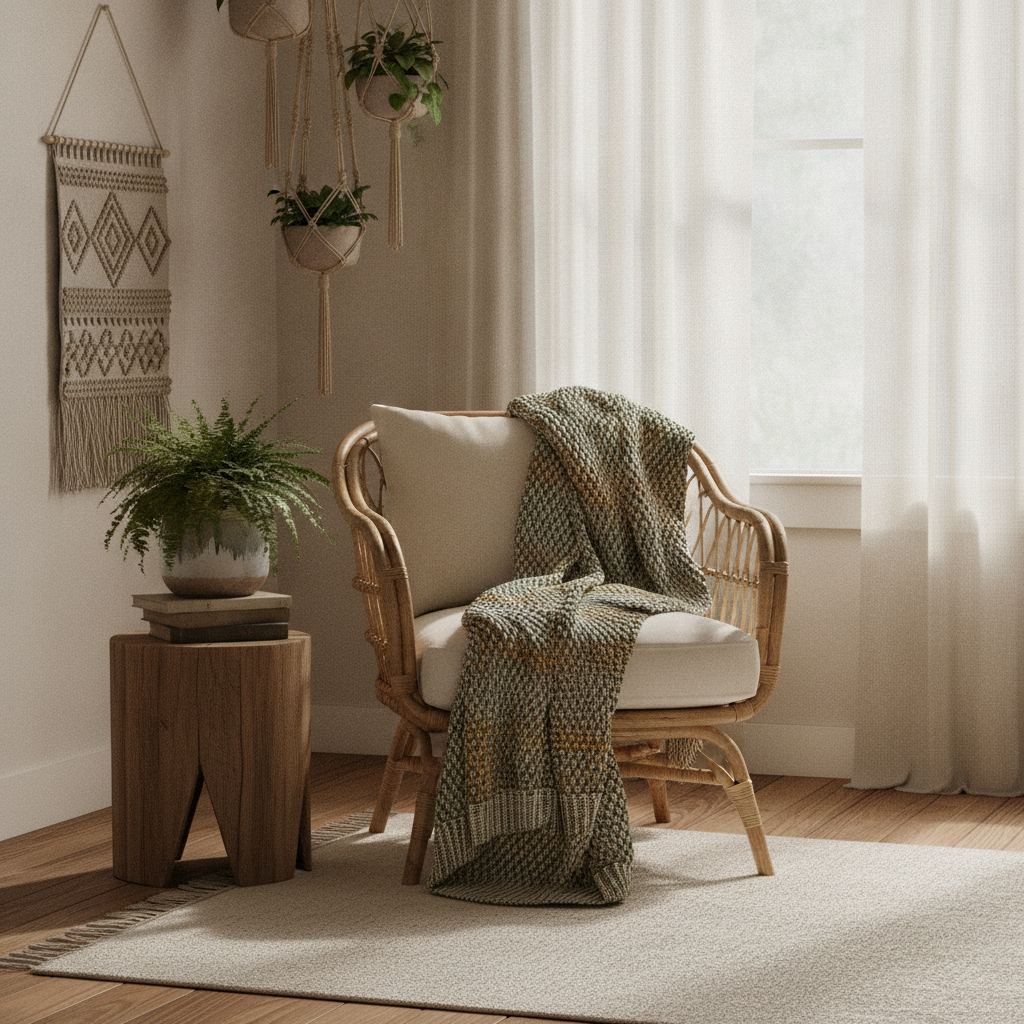
Category: Home Styling

  • Hanging textile work on a wall that is not sound

    Make room for things made slowly, and then hang them somewhere that will not undo the work. A large macramé piece, a woven panel or a cotton wall hanging asks two things of a wall: that it can hold the weight, and that it is dry. The weight question gets all the attention. The dry one does the damage.

    Why fibre is unforgiving about walls

    Cotton and jute are hygroscopic: they take up moisture from the air and hold it, which is part of why they feel warm in a room and drape as they do.

    Hung flat on a wall damper than the rest of the room, a piece becomes a wick. The cord against the plaster stays slightly wet, the room side keeps the front dry, and moisture concentrates along the back where nothing dries and nothing is seen. Natural fibre with a steady moisture supply and no air movement is ideal for mildew, and mildewed cotton cord is stained permanently. No wash recovers it, because the mark is growth inside the fibre rather than dirt on it.

    Check the wall first, properly

    Press the back of your hand flat against the plaster, low down and high up. A patch markedly cooler than the surrounding wall is holding moisture.

    Look along the skirting for flaking paint, a powdery bloom on the plaster, or paper lifting at a seam. Sniff close to the wall in a room that has been shut all day.

    If any of that is present, sort the wall before anything is hung. Where plaster is blown, or growth returns after cleaning, mould treatment specialists in Pittsburgh or a comparable firm nearer you will find the moisture source and treat the wall itself. Hanging a handmade piece over it hides the evidence and sacrifices the piece.

    Hanging it so air can move

    Even on a sound wall, give the back of a piece room to breathe.

    Mount the dowel or branch on brackets that stand it fifteen or twenty millimetres off the plaster rather than flush. The gap is invisible from the front and it is the difference between a piece that stays sweet and one that smells of the wall by the second winter.

    Keep hangings off external walls in older houses where you can, and away from the wall behind a radiator, where the warm, dusty updraught greys the bottom of a pale cord within a year.

    Looking after it once it is up

    Take it down twice a year, shake it outdoors and leave it over the back of a chair for a day. That is the whole maintenance routine.

    While it is down, put your hand on the wall behind it. A wall that feels colder or smells different from the rest of the room has changed since you hung the piece, and it is far better to learn that with the hanging in your hands than from a mark across the back of it.
  • The Best Finishes for Handmade Wooden Decor

    Handmade timber looks better when the finish suits the object. Oil keeps a tactile feel, wax adds a soft sheen and a hard-wearing coating offers more protection where hands and spills are common.

    Start with the material

    Ask how the wood was prepared and whether the finish can be refreshed. A piece that can be lightly cleaned and re-oiled may age more gracefully than one that becomes difficult to repair.

    A useful way to live with it

    Keep direct heat and standing water away from timber. Use coasters, lift objects rather than dragging them and accept small marks as part of a material that is meant to live with you.

    Small checks make a difference

    Take measurements, leave room for maintenance and choose pieces that can be repaired. Handmade decor rewards attention because its texture and character become more interesting with care.

  • How to Build a Layered Mantel Without Clutter

    A mantel has a natural horizontal line, so the display needs height, rhythm and a deliberate pause. Start with one anchor object and build outward rather than filling every inch.

    Start with the material

    Lean artwork behind smaller objects, repeat one material near each end and vary heights in gentle steps. A trailing plant can soften the edge, but leave space for watering and seasonal changes.

    A useful way to live with it

    Take a photograph from the doorway. If one object dominates or the centre feels crowded, remove something before buying another piece. Restraint is what makes the remaining objects readable.

    Small checks make a difference

    Take measurements, leave room for maintenance and choose pieces that can be repaired. Handmade decor rewards attention because its texture and character become more interesting with care.

  • How to Mix Woven Textures Without Making a Room Busy

    Woven texture works best when each piece has a job. A basket can hide cables, a wall hanging can soften a blank wall and a chair can add a different kind of comfort.

    Start with the material

    Vary the scale rather than collecting every texture at once. Pair a broad, quiet weave with one smaller pattern and leave plain surfaces between them so the eye has somewhere to rest.

    A useful way to live with it

    Natural colour does not mean identical colour. Cream, oat, warm grey and honey tones can sit together when their finishes are varied and the room receives balanced light.

    Small checks make a difference

    Take measurements, leave room for maintenance and choose pieces that can be repaired. Handmade decor rewards attention because its texture and character become more interesting with care.

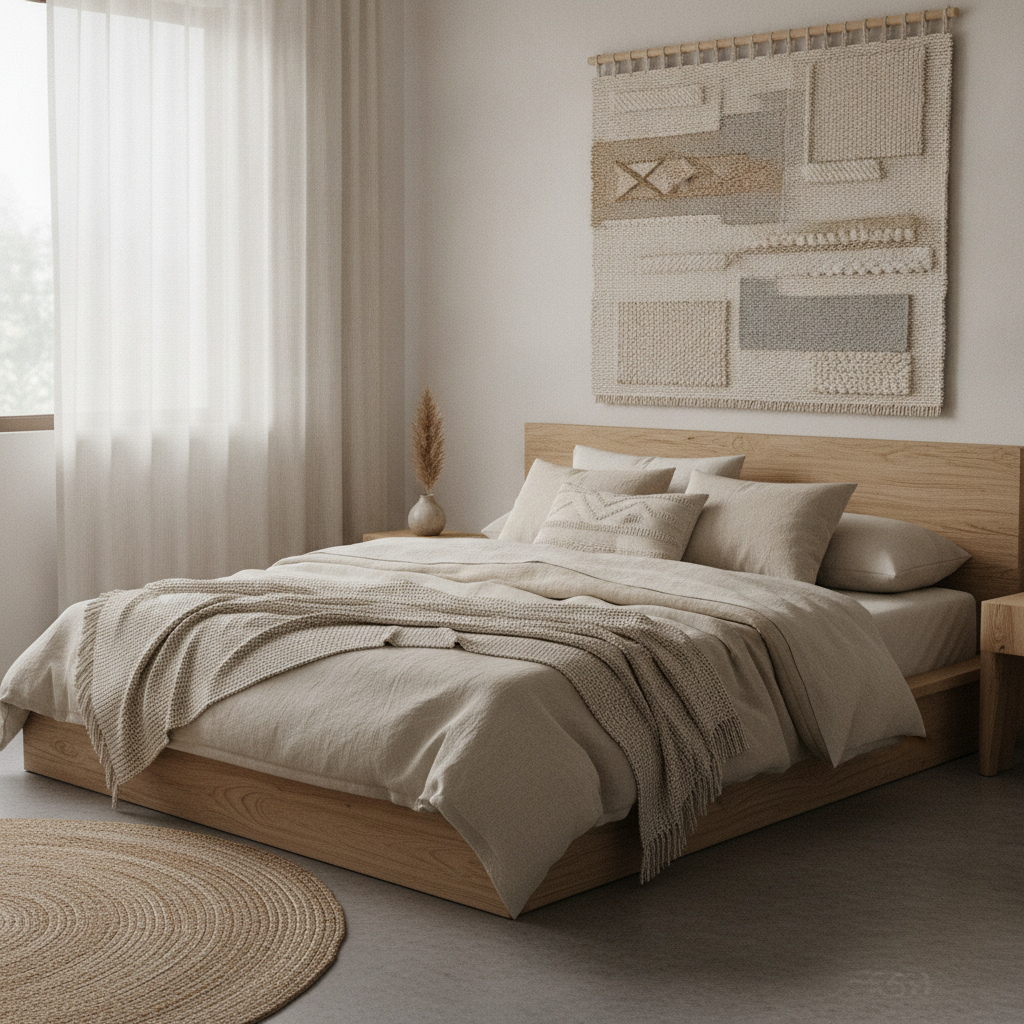
  • A Calm Bedroom Palette Built Around Timber and Cotton

    A Calm Bedroom Palette Built Around Timber and Cotton

    A restful bedroom often begins with materials that feel good at close range. Timber, cotton, linen and wool create gentle differences without demanding attention.

    Start with the material

    Choose one timber tone for the largest pieces, then let smaller objects repeat its warmth. Cotton bedding can carry the lightest colour while a woven bench or pendant introduces a deeper note near the floor.

    A useful way to live with it

    Keep patterns small and let texture do most of the work. A plain wall, soft curtain and one handmade object can feel richer than a collection of competing prints.

    Small checks make a difference

    Take measurements, leave room for maintenance and choose pieces that can be repaired. Handmade decor rewards attention because its texture and character become more interesting with care.

  • Five Ways to Make a Small Room Feel More Grounded

    Small rooms benefit from fewer, better decisions. Repeating a warm material, lowering visual contrast and leaving a little breathing space can make a compact room feel settled.

    Start with the material

    Use a limited palette of two or three quiet tones, then add variation through texture. A woven basket, timber stool or linen curtain can provide interest without adding a new colour family.

    A useful way to live with it

    Keep the floor legible and choose one generous plant rather than many small pots. The eye reads clear shapes more easily, which makes the room feel calmer and more spacious.

    Small checks make a difference

    Take measurements, leave room for maintenance and choose pieces that can be repaired. Handmade decor rewards attention because its texture and character become more interesting with care.

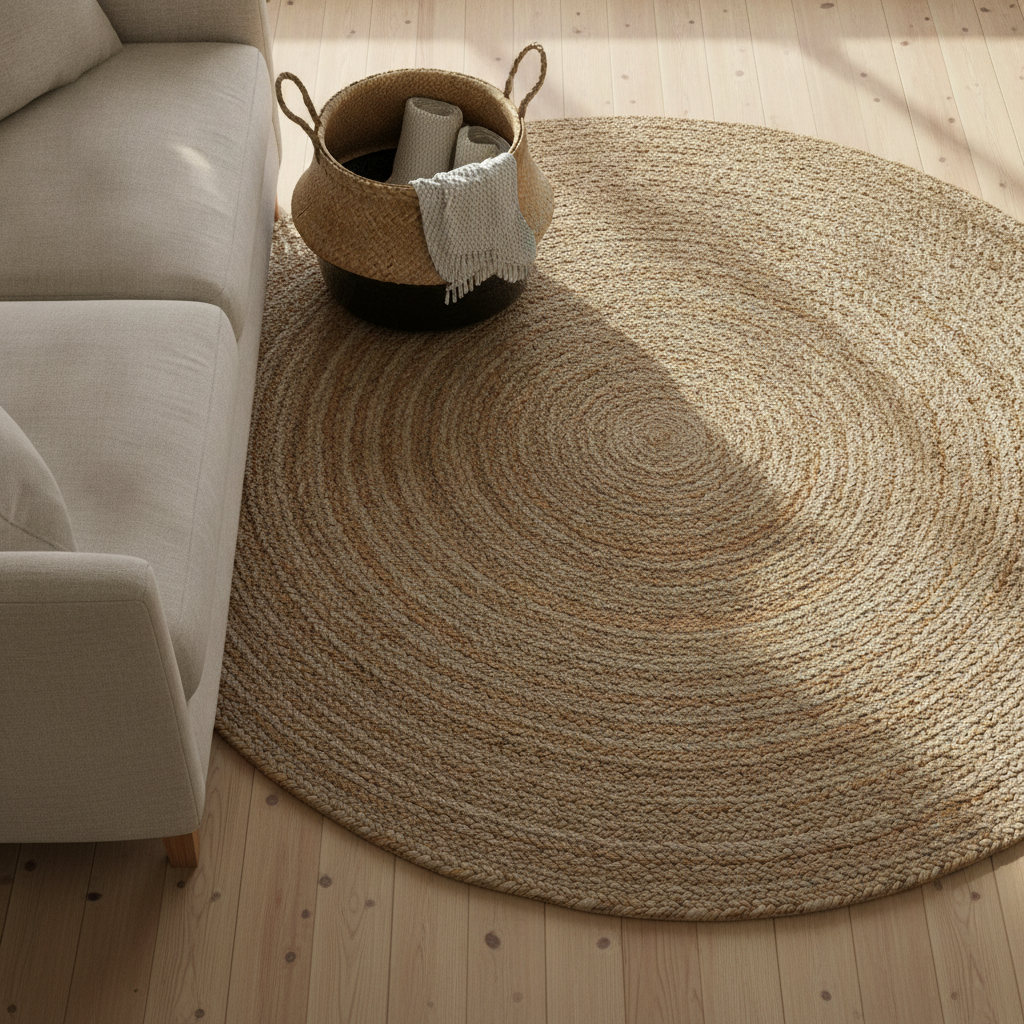
  • Natural Fibre Rugs: A Practical Care Guide

    Natural Fibre Rugs: A Practical Care Guide

    Jute, sisal, wool and cotton rugs each respond differently to moisture, sunlight and everyday traffic. Good care starts with knowing what the fibre can tolerate.

    Start with the material

    Vacuum gently in the direction of the weave and turn the rug occasionally to spread wear. Blot spills quickly rather than rubbing them deeper into the surface, and allow the underside to dry fully after cleaning.

    A useful way to live with it

    A rug pad helps prevent slipping and reduces the sharp pressure that furniture legs place on the weave. Leave space around the rug so its texture frames the room instead of swallowing it.

    Small checks make a difference

    Take measurements, leave room for maintenance and choose pieces that can be repaired. Handmade decor rewards attention because its texture and character become more interesting with care.

  • How to Style a Quiet Reading Corner

    How to Style a Quiet Reading Corner

    A reading corner does not need a large chair or a dramatic colour scheme. It needs a comfortable seat, a useful light source and enough room to put down a book.

    Start with the material

    Begin with the movement through the room. Keep the chair outside the main walkway, add a small surface for tea and choose a lamp that lights the page without shining into your eyes. Natural fibres soften hard edges around a window.

    A useful way to live with it

    Layer one woven texture with one smooth surface so the corner feels considered rather than busy. A plant, a folded throw and one framed print are usually enough.

    Small checks make a difference

    Take measurements, leave room for maintenance and choose pieces that can be repaired. Handmade decor rewards attention because its texture and character become more interesting with care.